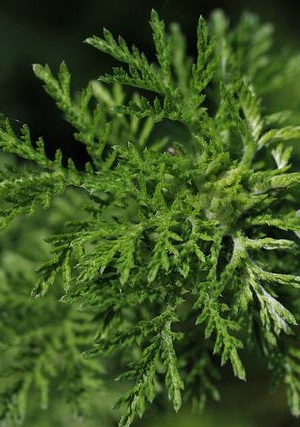
Annual mugwort
Artemisia annua
Already around 360 years BC did the Chinese people find out,
that fevers and hemorrhoids could be treated with this herb.
Nowadays, it is known for its unbelievable power in healing malaria,
as it already saved millions of lives.
Artemisinin, extracted from the plant,
acts 10 to 100 times more quickly than all other known malaria medicines.
Name: Annual mugwort, Artemisia annua
Other names: Annual wormwood, Qing Hao, Sweet Annie Plant, Wormwood Sweet Annie, Sweet Wormwood
Family: Asteraceae (Compositae)
Harvest months: Jun-Sep
Usable plant parts: Leaves
Leaf shape: pinnate
Habitat: Cultivated all over the world
Toxicity: non-toxic
Warning: contact with annual mugwort (plant and pollen) may cause hay fever in allergy sufferers.
Pregnant women and patients with diabetes, ulcers, or digestive disorders should not take Artemisia
unless they are working with a physician.
Ingredients: artemisinin, essential oils, beta-sitosterol, boron, coumarin, iron, essential amino acids, flavonoids, zinc
Properties: antibacterial, antiviral, antipyretic, antifungal, antispasmodic, digestive
Helps with: AIDS/HIV, Alzheimer's disease, arthritis, asthma, dementia, diabetes, diarrhea, inflammation, epilepsy, hemorrhoids, gastrointestinal problems, malaria
Plant uses
Cooking:
Artemisia annua leaves are rich in protein - including essential and non-essential amino acids
- making it an excellent source of protein for people
with increased protein needs such as athletes, vegans, and growing children and teens.
The plant also has a lot to offer in terms of
healthy fatty and oleic acids as well as carbohydrates.
Health:
The effects of Artemisia annua have been known in Traditional Chinese Medicine (TCM)
for more than 2000 years. Accordingly, annual mugwort is used for its influence
on the immune system as well as against febrile diseases and inflammations.
Beauty:
Annual mugwort relieves itching and has an antiseptic effect.
The tannins contained make the skin soft and tender and have a calming effect.