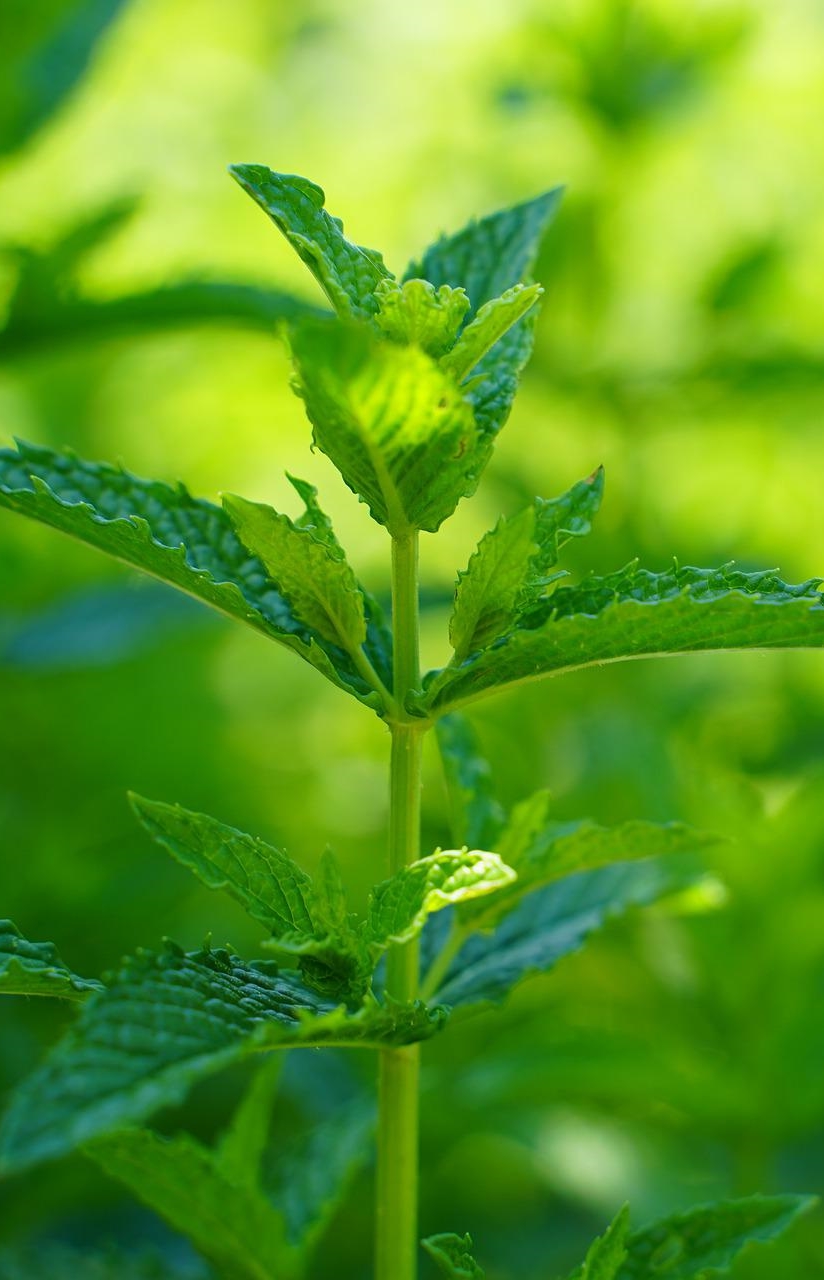
Mint
Mentha piperita
The distinctive smell of the mint is used for several different mint-based charms.
One recorded wish-fulfilling charm is to write a wish on a piece of paper and then
wrap it with peppermint leaves.
After sealing the leaves and the wish within red cloth sewn with red thread,
the wish is said to be granted by the time that the scent of the leaves faded.
Name: Peppermint, Mentha piperita
Other names: vein mint, spearmint, english mint, garden mint, house mint, tea mint
Family:Labiates (Lamiaceae)
Harvest months: May-Jul
Usable plant parts: Leaves, flowers
Leaf shape: lanceolate
Flower color: pink, purple, white
Habitat: gardens, settlements
Risk of confusion: with other mint species, which can be used similarly, but have a lower content of menthol
Toxicity: non-toxic
Warning : Avoid peppermint oil during pregnancy. The oil should never be used undiluted.
Ingredients: essential oils, bitter substances, flavonoids, tannins, menthol, valeric acid
Properties: decongestant, antibacterial, antiviral, sedative, detoxifying, anti-inflammatory, bile flow promoting, immunostimulant, antispasmodic, cooling, analgesic, tonic, digestive stimulant
Helps with: Flatulence, nausea, diarrhea, colds, biliousness, headaches, stomach cramps, migraines, bad breath, nerve pain, colds, nausea, indigestion
Plant uses
Cooking:
Due to its strong almost spicy scent, peppermint is often used to give flavor to some meals.
Health:
The greatest benefit of this plant is the menthol that is found in its oil.
It can act very settling to the digestive system and mint tea can be drunk every day
to settle upset stomachs. The scent encourages wakefulness and stimulates the brain
Beauty:
Peppermint oil or other ingredients of the plant are often used as mouthwashes, breath fresheners, and bath products.