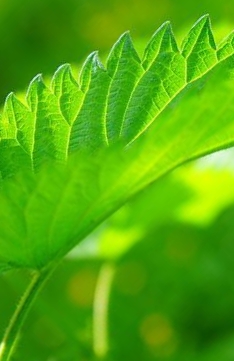
Nettles
Urtica dioica
The name urticaria comes from the Latin, which means to burn.
Since the sting of the nettle is a counterirritant, its chemicals can decrease already existing pain.
Roman soldiers apparently used nettles to adapt to the colder and harsher weather of Britain
by rubbing them on their bodies to keep them warm.
The common nettle also was used until the 18th century in the production of fabric
before cotton was discovered. Some countries still produce textile made out of common nettle,
since it’s really cheap.
Name: Stinging nettle, Urtica dioica
Other names: common nettle, burning nettle
Family: Urticaceae
Harvest months: March - Dec
Usable plant parts: leaves, seeds, stems, roots
Leaf shape: lanceolate
Flower color: green
Habitat: nutrient-rich sites, gardens, roadsides, forest edges, embankments
Danger of confusion: Deadnettle, Fen nettle (Urtica galeopsifolia) both of which are non-toxic and have no stinging hairs.
Toxicity: non-toxic
Ingredients: chlorophyll, iron, protein, flavonoids, folic acid, potassium, silicic acid, linoleic acid, magnesium, phosphorus, mucilage, vitamin A, vitamin C
Properties: blood purifying, detoxifying, purifying, diuretic, skin irritant
Helps with: allergies, intestinal ulcers, diabetes, circulatory disorders, eczema, diseases of the gall bladder, diseases of the liver, diseases of the spleen, gout, hair loss, urinary tract infections, dandruff, stomach ulcers, kidney stones, pimples, smoker's leg, rheumatism, constipation
Plant uses
Cooking:
Nettle contains 40% protein, which is more than in popular vegetable protein sources such as soy.
Therefore, it can serve as an important source of protein especially for vegetarians and vegans.
Nettle is also popular in veterinary medicine, for example, it stimulates milk production and
is an important food plant for many butterfly species.
Health:
Thanks to the wide range of beneficial nutrients found in nettles makes them an ideal detoxifier
for the body and it equally has been known to cleanse the body of toxins.
Beauty:
Its leaves are rich in silica and sulfur, both of which help in hair growth
as well as preventing hair loss.